
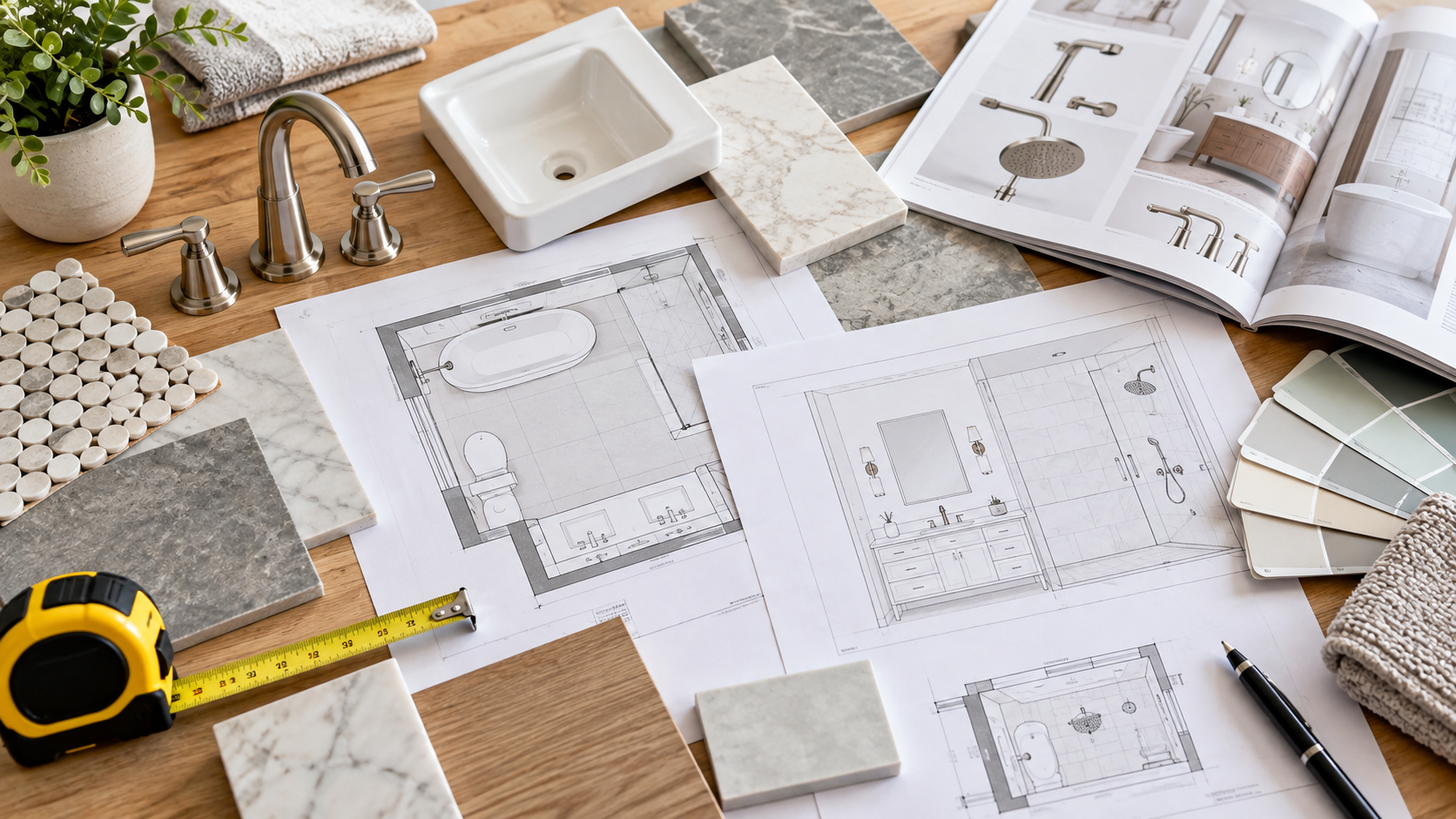
Gas line installation helps keep your home safe and your gas appliances working well. Many homes use natural gas for cooking, heating, and hot water. However, gas pipes must be installed correctly to prevent leaks and other risks. Poor work can lead to gas leaks, weak gas flow, and costly repairs. Knowing what to expect can help you plan a safer project. These simple tips will help you understand what matters most before and after the work.
Why Proper Gas Line Installation Matters
Gas pipes carry fuel to your stove, water heater, and other home appliances. These pipes must be the right size and have tight, secure connections. Poor installation can affect how well your appliances work and put your home at risk.
Proper installation offers several key benefits:
- Better safety: Secure pipes and fittings help prevent gas leaks.
- Steady gas flow: The right pipe size helps appliances work as they should.
- Fewer repairs: Quality work can help prevent future pipe problems.
- Safe operation: Proper installation helps meet local building and safety rules.
Hiring a trained plumber helps ensure the work meets your home’s needs.
Plan Your Gas Line Installation First
A safe project starts with a good plan. Before work begins, think about which gas appliances you need and where they will go. A new gas stove may need a different setup than a water heater.
Your current gas supply also matters. Adding more appliances may mean your home needs larger pipes or other changes.
Here are a few things to check:
- The type of gas appliances you plan to use
- The location of each appliance
- The size and condition of existing pipes
- The location of gas shutoff valves
- Local permits and safety rules
A plumber can check your setup and help you choose the right plan. This can save time and help avoid extra costs.
Use the Right Pipes for Gas Line Installation
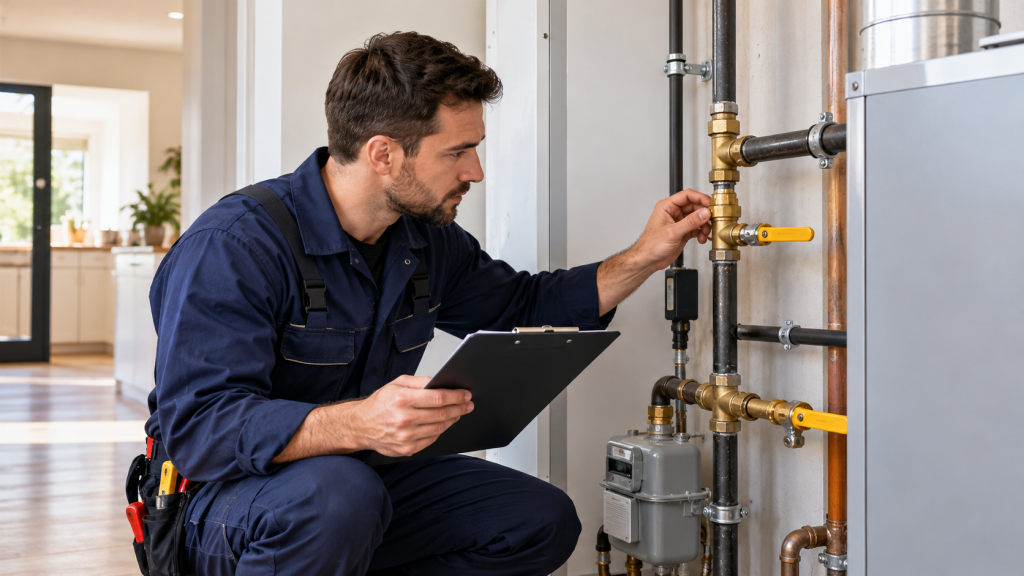
Not all pipes are safe for gas. Gas lines need approved materials that can handle the fuel and pressure used in your home. Steel pipes and certain types of flexible gas tubing are common choices. Some areas also allow copper pipes for specific uses. The right choice depends on local rules and where the pipes will go.
Pipe size is important, too. Pipes that are too small may not deliver enough gas when several appliances run at once. Poor fittings may also cause leaks. A trained plumber knows which materials are allowed and how to choose the right pipe size. Never use regular water pipes or parts that are not approved for gas.
Put Gas Line Safety First
Gas line work can be dangerous without the right training. Even a small mistake may cause a serious leak. That is why a trained professional should handle the job.
Safe gas line work includes:
- Using approved pipes and fittings
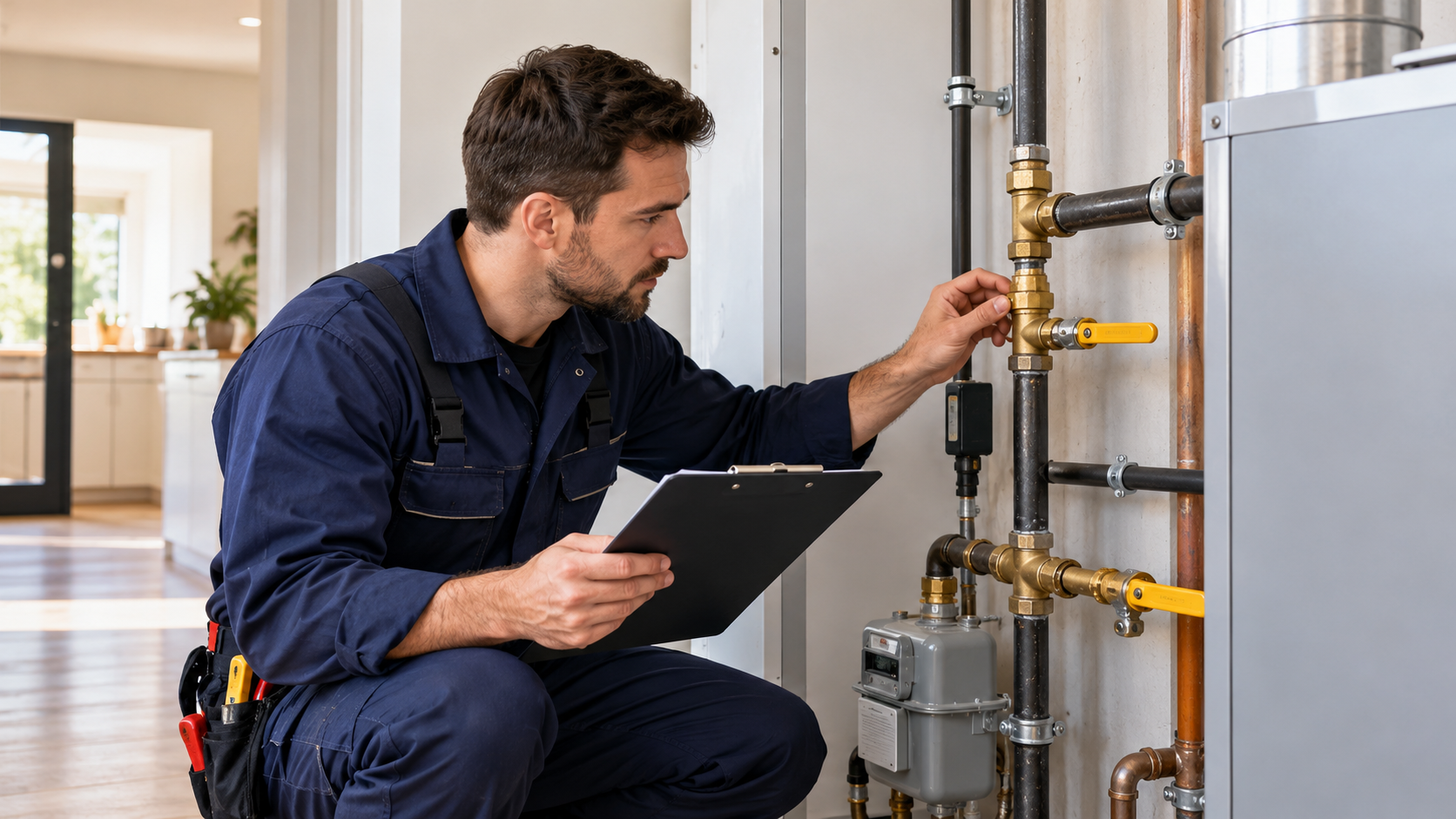
- Keeping shutoff valves easy to reach
- Protecting pipes from damage
- Following local safety rules
- Testing all new connections
It is also important to know what to do if you suspect a leak. Natural gas often has a rotten egg smell added to help people notice leaks. You may also hear a hissing sound near a damaged pipe. If you suspect a leak, leave your home at once. Do not use light switches, phones, or electrical devices while inside. Once you are outside, call your gas company or emergency services. Never try to find or fix a gas leak yourself.
Test Gas Lines Before Using Them
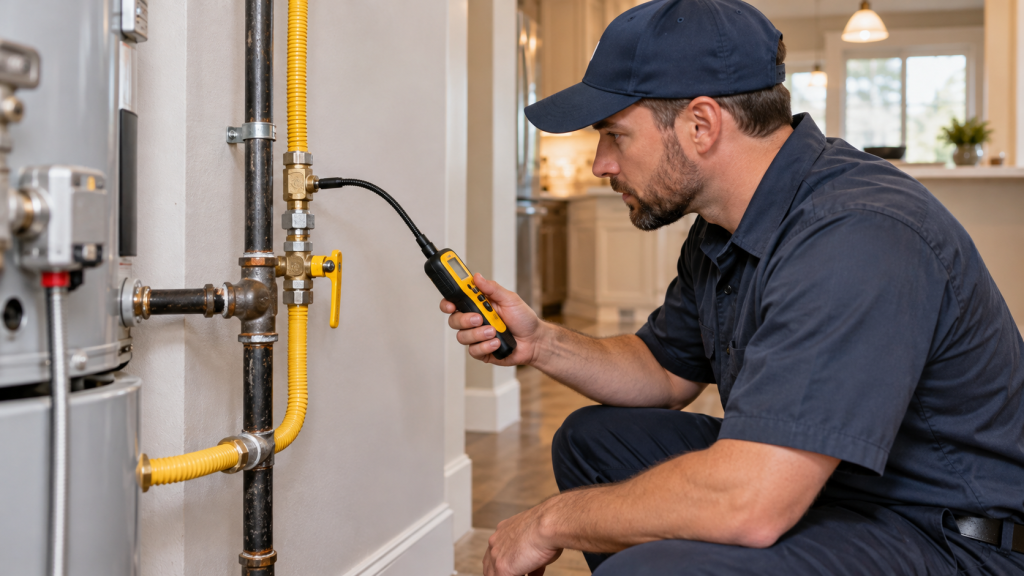
New gas lines must be checked before they are used. These tests help find leaks and other issues that may not be easy to see. A trained plumber uses special tools to test the pipes and connections. The plumber may also check the gas pressure to make make sure each appliance gets the supply it needs.
Some jobs need a local permit or final inspection. These steps help confirm that the work meets safety rules. Never rush this part of the project. A complete safety check can help prevent gas leaks and other problems after installation.
Keep Your Gas Lines in Good Shape
Gas pipes need care even after they are installed. Over time, pipes may rust, wear out, or get damaged. Regular checks can help spot signs of trouble. Keep the areas around gas pipes clear. Avoid placing heavy items against exposed pipes. Never hang tools, clothes, or other objects from them.
Also watch how your gas appliances work. If an appliance has trouble heating or working properly, have it checked. A plumber can look for signs of wear and tell you if repairs are needed. You can also explore our plumbing services to learn more about keeping your home’s plumbing in good shape.
Gas Line Installation FAQs
Can I Install a Gas Line Myself?
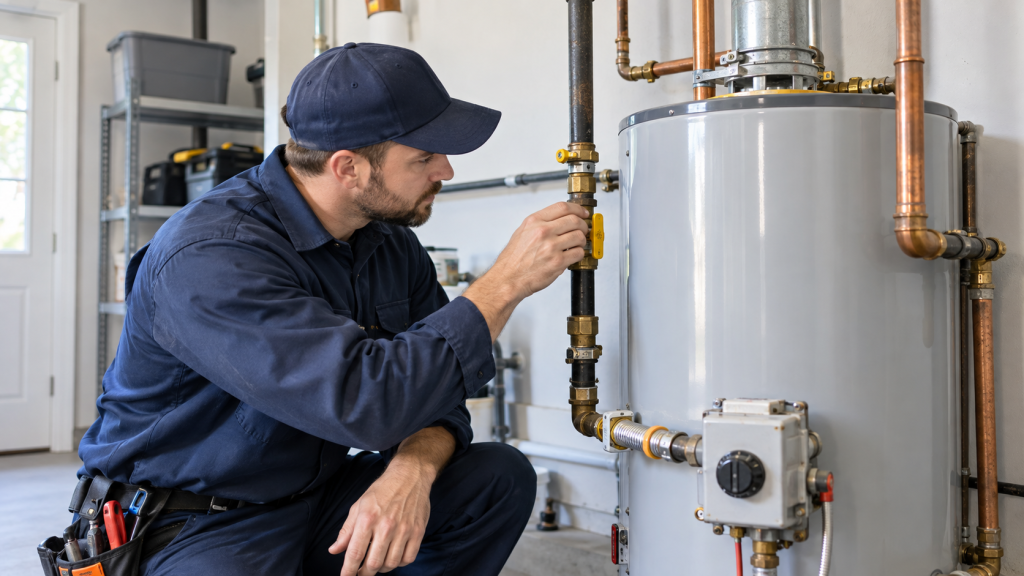
Gas line work should be left to trained professionals. Mistakes can cause leaks, fires, and other safety risks. Local rules may also require a licensed installer.
How Long Does Installation Take?
The time depends on the pipe length, the work area, and the type of appliance. Some jobs are simple, while others need more work and testing.
What Are the Signs of a Gas Leak?
Common signs include a rotten egg smell, hissing sounds, and damaged pipes. If you think gas is leaking, leave the building and call for help from outside.
When Should Gas Lines Be Checked?
Have your gas lines checked when adding appliances, changing pipes, or noticing damage. A plumber can also advise you on routine checks.
Keep Your Home Safe With Proper Gas Line Installation
Safe gas line installation starts with good planning and the right materials. Professional work, careful testing, and regular checks can help protect your home. These steps also help your gas appliances work as they should.
Whether you are adding a gas stove or replacing old pipes, don’t take chances with safety. Contact Focus Plumbing Services, LLC to discuss your plumbing needs and ask about available gas appliance services. For more helpful home care tips, explore our blog for practical advice on plumbing safety and maintenance.